

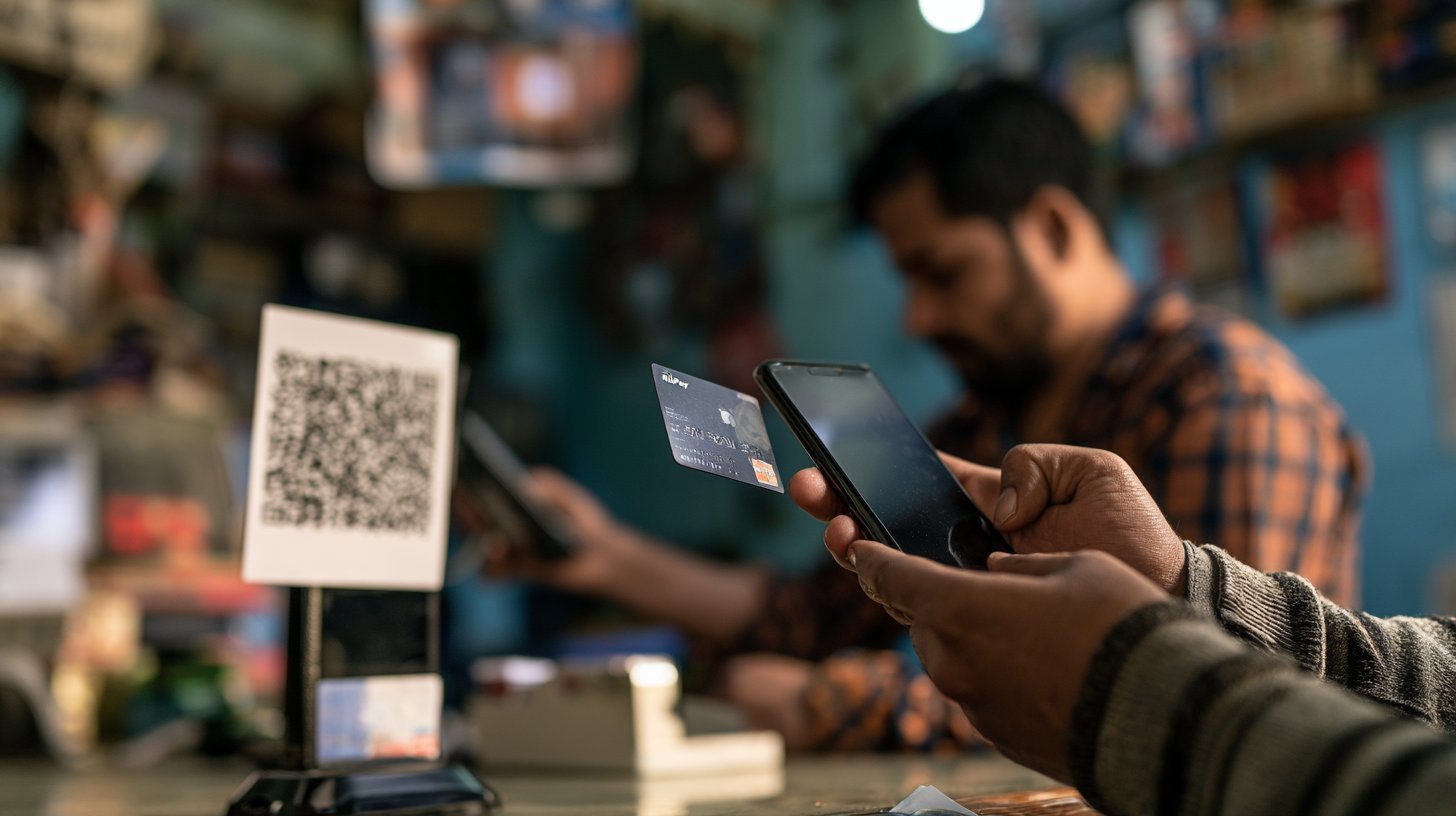
“UPI is free” is mostly true and occasionally expensive. Ordinary payments — you to a friend, you to a shop — cost nothing and are unlikely to ever cost anything. But there are corners of the system where charges are real, and they catch people out.
This is a plain accounting of what is free, what is not, and who is actually paying for the free part.
What Is Genuinely Free
- Person-to-person transfers — any amount, any bank, any app. No charge, ever.
- Paying a merchant from your bank account — the standard QR scan at a shop. Free for you.
- Receiving money. Always free.
- UPI Lite — top-ups, payments and withdrawals. Free.
- UPI Circle and UPI AutoPay mandates. Free to set up and run.
- Checking balance, generating a QR, changing your PIN. Free.
This covers the overwhelming majority of what people do with UPI. If you only ever scan QR codes and send money to people, you will never pay a rupee in charges.
Where Charges Actually Apply
1. Wallet-funded merchant payments above ₹2,000
This is the interchange rule, and it is the one most often misunderstood. When a payment above ₹2,000 is made to a merchant using a prepaid wallet (rather than a bank account), an interchange fee of up to 1.1% applies.
Critically, the merchant pays it — not you. Your bank account is untouched. NPCI was explicit about this when the rule came in, and there is still no consumer-facing charge.
2. RuPay credit card on UPI
Paying with a RuPay credit card linked to UPI is free for you. The merchant pays a merchant discount rate above ₹2,000. Where you can get stung is the ordinary credit card way — interest if you do not clear the bill, and cash-advance treatment on certain transaction categories.
3. Bank-level charges beyond UPI
These have nothing to do with UPI itself but show up on the same statement:
- Minimum balance penalties, if heavy UPI spending drops you below the threshold.
- SMS alert charges — typically ₹15–₹25 a quarter, and UPI generates a lot of alerts.
- Failed-transaction penalties at a few banks when failures are caused by insufficient balance.
4. UPI on international transactions
Using UPI abroad where it is accepted may involve a currency conversion margin set by your bank. Our guide to using UPI abroad covers the specifics.
5. Merchant-side costs, which reach you indirectly
Small merchants pay nothing on standard bank-to-bank UPI. Larger merchants and those using payment gateways pay platform fees, soundbox rentals and settlement charges. Those costs sit in prices, which is a real if invisible way consumers fund the system.
So Who Pays For UPI?
Someone has to. The infrastructure — NPCI’s switch, bank systems, fraud monitoring, dispute handling — costs thousands of crores a year to run. It is funded by three things: government subsidy to banks for promoting digital payments, merchant fees on the categories that carry them, and banks absorbing costs in exchange for deposits, data and reduced cash handling.
Whether that stays sustainable is a live policy debate. Periodic reports suggest charges on large merchant transactions, and every time one surfaces the reaction is loud enough that the idea gets shelved. For now, and for the foreseeable future, consumer UPI is free.
How to Make Sure You Never Pay Anything
- Pay merchants from your bank account, not a wallet balance, for anything above ₹2,000. Check which source your app has selected.
- Keep a buffer above your minimum balance. This is where most people’s “UPI charges” actually come from.
- Clear RuPay credit card bills in full if you use one on UPI.
- Switch to email alerts if your bank charges for SMS and you make many transactions.
- Use UPI Lite for small spends to cut both SMS volume and statement clutter.
Charges That Do Not Exist (Despite What You May Have Heard)
- There is no charge for sending money to another person, at any amount.
- There is no charge for scanning a QR code and paying from your bank account.
- There is no GST on your UPI payments.
- There is no monthly or annual UPI fee.
- Nobody will call you to collect a “UPI charge”. That call is a scam — see our UPI fraud guide.
Frequently Asked Questions
Is there a charge on UPI payments above ₹2,000?
Only on wallet-funded merchant payments, and the merchant pays it. Bank-account-funded payments are free at any amount.
Does GST apply to UPI transactions?
No. There is no GST on consumer UPI payments.
Do I pay anything to receive money on UPI?
No, never — as an individual or as a small merchant accepting bank-to-bank UPI.
Will UPI stay free?
Consumer UPI is free today, and every proposal to change that has met heavy resistance. Merchant-side fees are more likely to evolve than consumer ones.
Why did my bank deduct money after a UPI payment?
Almost always a minimum balance penalty or an SMS alert charge, not a UPI fee. Check the narration on the statement entry.
The Bottom Line
For anything you are likely to do — paying people, paying shops, setting up mandates — UPI costs nothing. The charges that exist sit on wallets, credit cards and merchants, and the ones that hurt consumers usually turn out to be ordinary bank fees wearing a UPI costume.
For the full system view, see our complete UPI guide for 2026.

Techleez Editorial Team
The Techleez Editorial Team researches, writes and fact-checks every guide on this site. We focus on practical, India-first explainers — UPI and digital payments, government tech services like DigiLocker and Sanchar Saathi, telecom, smartphones and everyday AI tools. Every article is checked against official sources (RBI, TRAI, NPCI and service providers' own documentation) before publishing and reviewed again when rules change. Questions or corrections? Write to info@thetechleez.com — see our Editorial Policy for how we work.
More from this author →