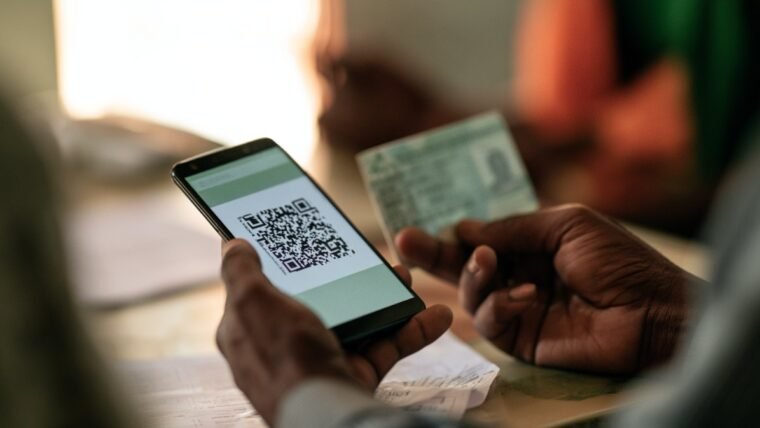
The single most useful thing you can do before buying a second-hand phone in India takes two minutes and costs nothing: check the IMEI. It tells you whether the handset has been reported stolen, whether the IMEI is genuine, and whether it has been duplicated.
Most buyers never do it. A blocked handset is a paperweight on every Indian network, and the seller will not be answering their phone afterwards.
Find the IMEI First
Every phone has a unique 15-digit IMEI, and a dual-SIM phone has two.
Dial *#06# on the handset and it displays immediately. Cross-check it against the number printed on the box and, where present, on the SIM tray or the back of the device.
If those numbers do not match, walk away. A mismatch between the dialled IMEI and the printed one is a strong indicator that the IMEI has been tampered with, which is illegal and which usually means the device is stolen.
Run the KYM Check
KYM — Know Your Mobile — is a free government service on the Sanchar Saathi portal at sancharsaathi.gov.in. You can also check by SMS or through the app.
Enter the IMEI and it returns the device’s status. What you are looking for:
- Valid — the IMEI is genuine and registered. Good.
- Blacklisted — reported stolen or lost. Do not buy it under any circumstances.
- Duplicate — the same IMEI appears on more than one device, which means tampering.
- Not found — the IMEI is not in the database, which usually indicates a counterfeit handset.
The check also confirms the brand and model registered against that IMEI. If it says one manufacturer and you are holding another, the phone is not what it claims to be.
Do this in front of the seller, before paying. A seller who objects to a two-minute check on a government portal has answered the question for you.
Why a Blacklisted Phone Is Worthless Here
When a phone is reported stolen through CEIR, its IMEI is blocked across every Indian network. Not just the original owner’s operator — all of them.
The handset will not register with any SIM from any operator in any state. It becomes a Wi-Fi-only device, and you have no recourse against a seller who has disappeared.
Worse, using a device you know to be stolen is not a neutral position to be in. The block also flags the device when it is used, and that trace goes to the police. Our guide to blocking a stolen phone with CEIR explains the mechanism from the other side.
The Rest of the Two-Minute Check
While you have the phone in your hand:
Confirm the account is removed. Go to Settings and check no Google or Apple account remains signed in. A phone still linked to the previous owner’s account carries activation lock, and only they can remove it. This is the second most common way second-hand buyers are stranded.
Check battery health where the phone exposes it — Settings → Battery → Battery Health on an iPhone, or a device care section on many Android phones. A cell at 75% of its original capacity means a replacement soon.
Test the physical basics: both SIM slots, all cameras, the charging port with your own cable, the speaker, the microphone on a real call, the fingerprint sensor and face unlock, and every corner of the touchscreen.
Ask for the invoice. An original purchase invoice matching the IMEI is the strongest evidence of legitimate ownership available, and it matters for any remaining warranty.
Check for an active eSIM. If the phone uses an eSIM, make sure the seller’s profile has been properly removed rather than simply deleted — the distinction matters, as covered in our guide to eSIM in India.
Before You Pay
Pay in a way that leaves a trace. A UPI transfer to a named account is far better than cash, because it gives you something to show if this turns out badly.
Meet in a public place during the day, and be wary of any seller pressing you to hurry — urgency is the standard tool for preventing exactly the checks in this article. The same instincts apply as when paying anyone online, and our guide to checking whether a site is safe before paying covers running a UPI ID or number through the national cybercrime suspect search first.
After You Buy
Do these in the first hour.
Factory reset it yourself, even if the seller says they already did. You do not know what is on it, and anything with accessibility access can survive a superficial clear. The sequence is in our guide to factory resetting properly.
Note the IMEI somewhere safe — not on the phone. It is what you will need if this handset is ever lost or stolen from you.
Set up Find Hub or Find My and test that it actually locates the device.
Check the SIM connections in your name once you put your SIM in, using our guide to checking how many SIM cards are registered on your name.
If You Have Already Bought a Blocked Phone
Contact the seller first, in writing. If they are contactable and cooperative, the original owner may be able to unblock it through CEIR once the matter is resolved — though if the block was placed by the police rather than the owner, only the police can lift it.
If the seller has vanished, file a complaint at cybercrime.gov.in and with the local police, keeping the payment record and any chat history. Recovery is uncertain, which is precisely why the two-minute check beforehand is worth so much more than the hour afterwards.
We cover practical Indian phone buying and safety at Techleez.
Frequently Asked Questions
How do I check if a used phone is stolen in India?
Run the IMEI through the KYM check on sancharsaathi.gov.in. It reports whether the IMEI is valid, blacklisted, duplicated or not found.
How do I find the IMEI?
Dial *#06# on the handset. Cross-check it against the printed number on the box and SIM tray — a mismatch means tampering.
Is the IMEI check free?
Yes. KYM is a free government service on the Sanchar Saathi portal, available by web, SMS and app.
What happens if I buy a blacklisted phone?
It will not register on any Indian network with any SIM. You are left with a Wi-Fi-only device and little recourse.
What does a duplicate IMEI mean?
The same IMEI appears on more than one device, which indicates tampering. Do not buy it.
Should I reset a second-hand phone myself?
Yes, even if the seller says they did. You cannot verify what was left on it otherwise.

Fold Smith
Fold Smith is a technology journalist and the lead editor of The Techleez, an India-first publication that decodes technology, digital payments, streaming and online culture for everyday readers. From UPI and fintech explainers to OTT streaming guides, Android tips and online-safety checklists, he personally tests the apps, tools and services featured on the site before recommending them. His focus is practical, research-backed guidance that helps Indian readers make smarter digital decisions — spend less, stream better and stay safe online. When he is not writing, he is usually tracking NPCI circulars, first-day-first-show box office numbers, or the next big OTT premiere.
More from this author →