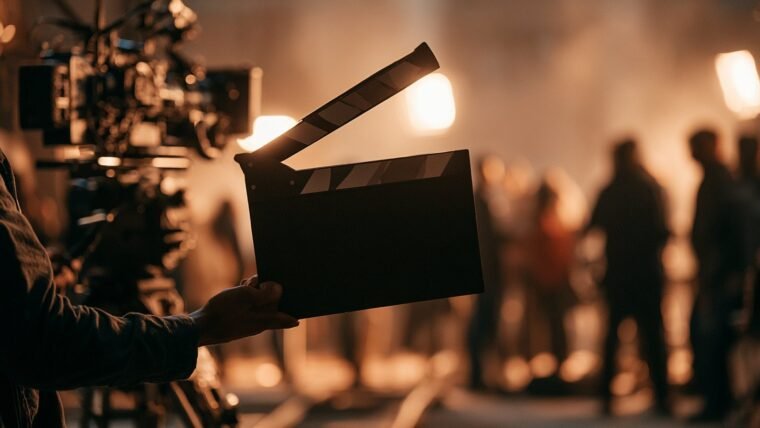

The debate about AI in entertainment is usually staged as a single question — will machines replace artists? It is a bad question, because it collapses a dozen different technologies doing a dozen different jobs into one argument. A dubbing model and a face-replacement tool have almost nothing in common except the label.
This is a breakdown of where AI is actually being used in film, music, streaming and creator content, what it changes for viewers, and which parts genuinely deserve concern.
Where it is already routine
Dubbing and subtitling. This is the biggest practical change for Indian audiences and it happened quietly. Machine translation plus voice synthesis means a film can be released in eight languages on day one rather than three languages three months later. Lip-sync adjustment has improved to the point where dubbed dialogue no longer looks obviously dubbed.
Restoration. Upscaling, denoising and colour recovery on old prints. This is the least controversial application: films that were physically degrading are now watchable, and the alternative was losing them.
Post-production cleanup. Removing a crew member from a reflection, extending a set, fixing a continuity error. Work that used to cost weeks of manual rotoscoping now takes hours.
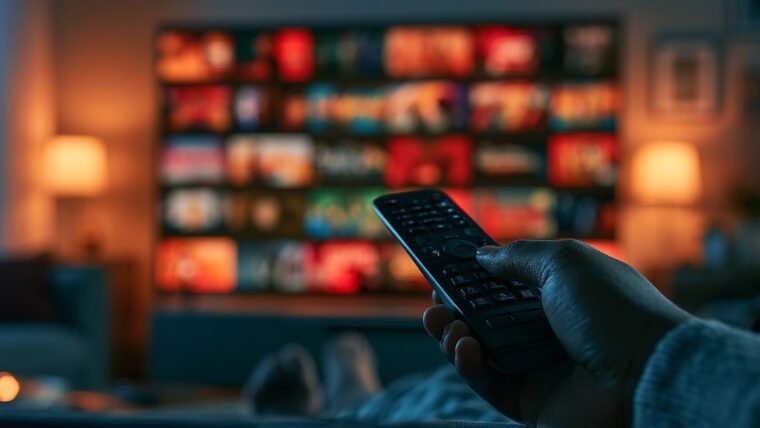
Recommendation and thumbnails. Platforms have used machine learning for years to decide what you see and even which artwork you see it with. Two people opening the same app see different images for the same film.
Music production. Stem separation, mastering, and reference-matching are standard studio tools now. Most listeners have heard AI-processed audio without knowing it, because the processing is invisible by design.
Where it is contested
Three areas are genuinely unsettled, and they are unsettled for different reasons.
Synthetic voices of real performers. Technically solved, legally and ethically unresolved. The question of whether a voice is property, and who inherits it, is being answered differently in different jurisdictions. In India, personality rights have been recognised by courts in several recent cases, but the framework is still forming.
Training data. Models learn from existing work. Whether that constitutes fair use, licensed use, or infringement is being litigated globally, and the answer will reshape what tools are legal to sell.
Generated performance. Digitally continuing or resurrecting an actor. This is the one audiences react to most strongly, and consent is the fault line — a performer who agreed is a different case from an estate that was never consulted.
What changes for you as a viewer
| Change | Practical effect |
|---|---|
| Same-day multilingual releases | Regional audiences stop waiting for dubs, and regional films reach national audiences faster |
| More content, less curation | Volume rises faster than quality control, so recommendation quality matters more than catalogue size |
| Harder-to-detect fakes | A convincing video of a public figure saying something they never said is now cheap to produce |
| Personalised artwork and trailers | What you are shown is tuned to you, which makes word of mouth less reliable than it used to be |
The part that actually needs your attention: synthetic scams
For most people, the real-world risk from AI in entertainment is not artistic. It is that the same tools produce convincing celebrity endorsements for investment schemes, fake film-set casting calls, and cloned voices used in family emergency scams. India has seen a steady rise in deepfake-based fraud using exactly this material.
Three habits are worth building:
- Verify endorsements at the source. If a celebrity is promoting a trading app or a giveaway, check their own verified account. Real campaigns appear there; fabricated ones never do.
- Treat urgency as the signal. Deepfake audio scams work by combining a familiar voice with pressure. A voice you recognise asking for money quickly should trigger a callback on a known number, not a transfer.
- Check the site before paying anything. Our guide on checking whether a website is safe before paying covers the specific things to look at, and the digital arrest scam guide explains the most damaging Indian variant of this pattern.
If money has already moved, the 1930 cyber crime helpline is the fastest route, and our walkthrough on filing a cyber crime complaint online covers what to do next.
How to spot synthetic media, honestly
Most published checklists are already out of date. Extra fingers and melted backgrounds were artefacts of older image models. What still works is contextual rather than visual:
- Does any credible outlet report the same thing? Fabrications are almost always singular.
- Is the clip cropped tightly and short? Longer, wider footage is harder to fake convincingly.
- Does the audio have a consistent room tone, or does it sound recorded in a vacuum?
- Is it being circulated with an urgent instruction attached? That is the giveaway that matters most.
For creators: the practical trade-offs
AI tools genuinely lower the cost of production — dubbing, editing, thumbnails, background removal, script structuring. The trade is that they also lower it for everyone else, so the advantage is temporary and the volume of competing content rises permanently. The durable differentiators are the things models cannot generate: access, first-hand experience, a point of view, and trust built over time.
There is also a disclosure question. Audiences react badly to discovering undisclosed synthetic content, and platforms have begun requiring labels for realistic generated media. Labelling early costs nothing; being caught not labelling costs the relationship. Our guides on AI tools for content creators and writing better prompts cover the production side.
Frequently asked
Will AI replace actors and musicians?
It is already replacing specific tasks — background extension, dubbing, session-level instrumentation. Wholesale replacement of performance runs into consent, contract and audience resistance simultaneously, which is a much harder wall than a technical one.
Is AI-dubbed content worse than human dubbing?
For information and casual viewing, most people cannot tell. For performance-heavy drama, human dubbing still wins because timing and emotion are choices, not calculations.
Can I tell if a film used AI?
Usually not, and increasingly the answer is that almost every film did somewhere in post-production. The meaningful question is not whether AI was used but whether it replaced someone without consent or payment.
The short version
AI in entertainment is not one thing. Restoration and dubbing are largely good news, particularly for multilingual audiences in India. Synthetic performance is a genuine unresolved question. And the risk that will actually touch your life is a cloned voice or a fake endorsement asking for money — which is a fraud problem, not an art problem. More on how this is reshaping what gets made in our piece on India’s creator economy, and more India-first technology coverage on Techleez.

Techleez Editorial Team
The Techleez Editorial Team researches, writes and fact-checks every guide on this site. We focus on practical, India-first explainers — UPI and digital payments, government tech services like DigiLocker and Sanchar Saathi, telecom, smartphones and everyday AI tools. Every article is checked against official sources (RBI, TRAI, NPCI and service providers' own documentation) before publishing and reviewed again when rules change. Questions or corrections? Write to info@thetechleez.com — see our Editorial Policy for how we work.
More from this author →